THE BOOM
Halls packed to capacity
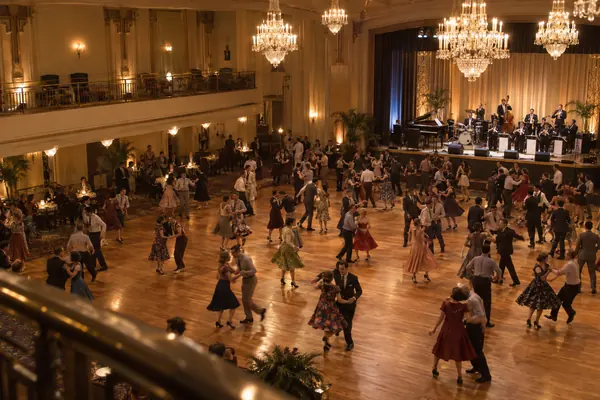
A 1942 estimate put weekly attendance at around four million across Britain's 500 dance halls, double the 1938 figure, according to a 2017 history of wartime dancing.
Walk the timeline doodlejive
WHAT THE HISTORIANS SAY
In wartime Britain, the dance floor was full.
Walk the timeline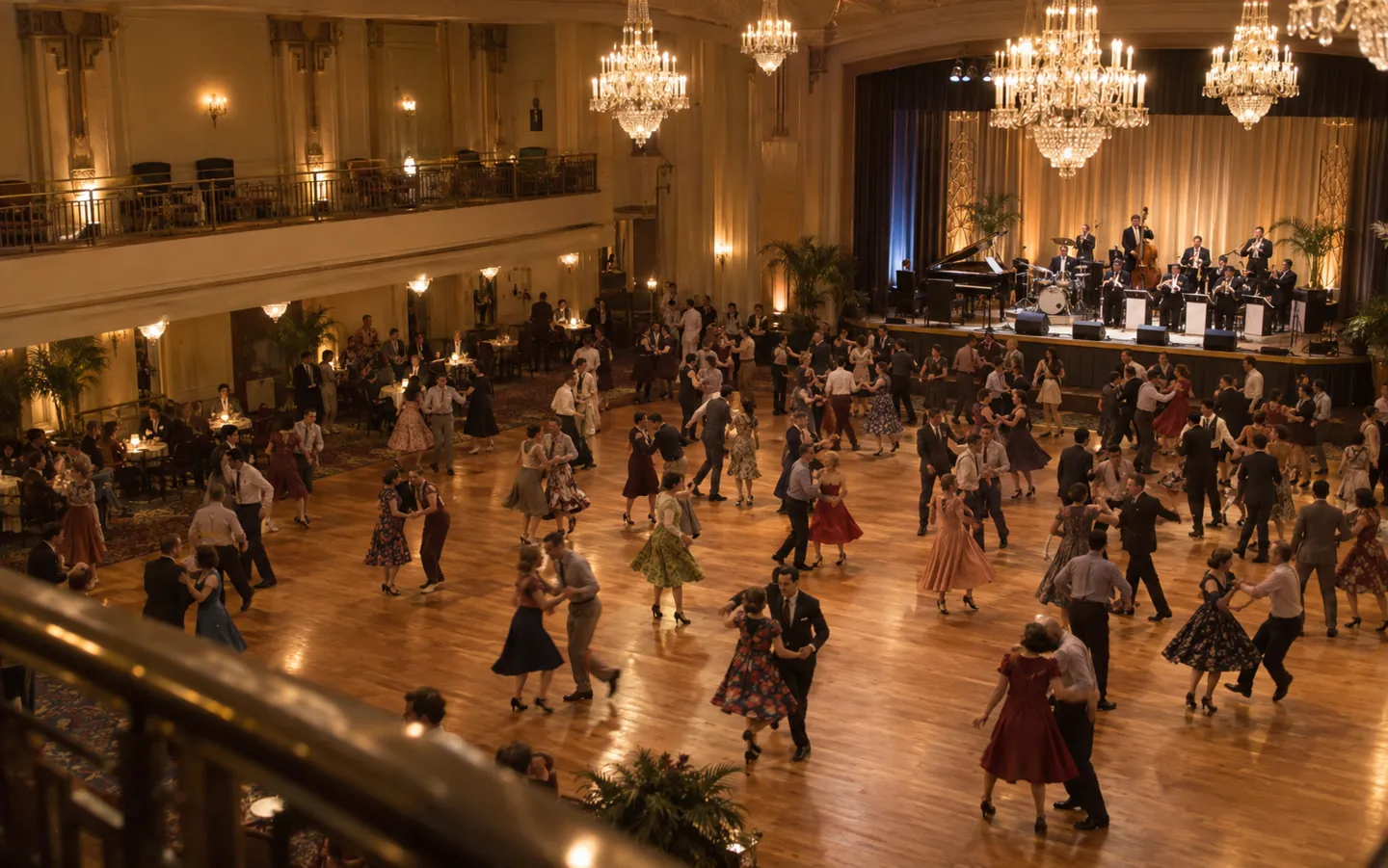
1942the GIs arrive
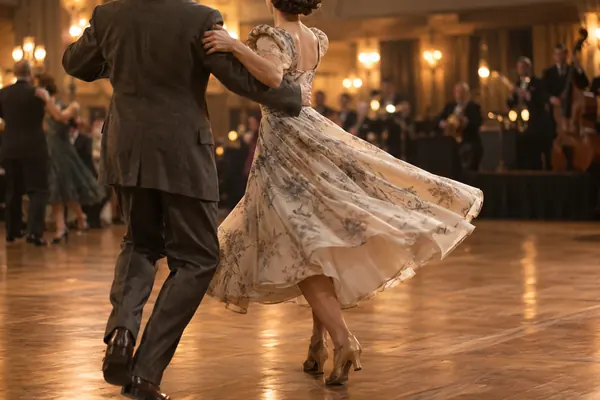
Dance halls boomed during the Second World War, helping to keep up morale. When American troops arrived from 1942, they brought the high-energy jitterbug with them, and its descendant, the jive, went on to rule the 1950s.
At a glance
≈ 4 million
Estimated weekly dance hall attendance, 1942
Based on one large provincial hall averaging 1,000 dancers a session, eight sessions a week, scaled across Britain's 500 dance halls: double the 1938 estimate.
DANCERS · NOTT 2017
3 million
US troops who arrived in Britain from 1942
Dancing was one of their favourite pastimes. Some halls offered American servicemen free admission and free lessons when they first arrived.
VISITORS · NOTT 2017
TWO NUMBERS WORTH KNOWING
One number for the dancers,
one for the visitors who changed the steps.
The government closed dance venues at the outbreak of war, then reversed course within months when it realised their importance for morale.
A QUICK TIMELINE
Pick a moment to see what historians report. The bar shows how busy Britain's dance floors were.
From a peer-reviewed history of wartime dancing (Journal of Social History, 2017) and Who Do You Think You Are? magazine. Attendance figures are contemporary estimates.
THE SHORT ANSWER
Dancing had never been more popular
than in wartime Britain, one historian concludes.
THE BOOM
A 1942 estimate put weekly attendance at around four million across Britain's 500 dance halls, double the 1938 figure, according to a 2017 history of wartime dancing.
Walk the timelineTHE JITTERBUG
The jitterbug began in 1920s Harlem. The arrival of American GIs in 1942 made it all the rage, with halls hosting displays and competitions; some venues banned it.
What the halls didTHE JIVE
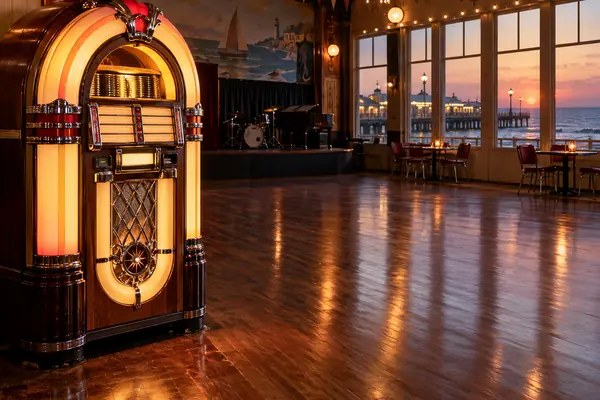
In the 1950s, jive, as the jitterbug family of dances became known, was perfect for the fast tempo of rock and roll.
See the numbers
FOUR THINGS WARTIME HALLS DID
Historians describe how dance halls became symbols of normality during the war.
One Liverpool hall called itself the 'Bombproof Ballroom' and carried on dancing during alerts and barrages.
Some halls were fortified with sandbags, and dancers could pay a shilling to bed down for the night.
In October 1942 a Liverpool hall ran an 'American Dancing' night with demonstrations of American styles and a swing competition.
Dances were held as part of savings campaigns such as Warship Weeks and Wings for Victory Week.
NOT ALWAYS HARMONY
The jitterbug's acrobatic lifts caused moral outrage, and some venues banned it. Of the three million US troops who passed through Britain, 130,000 were black, and the US Army tried to keep segregation through separate town-pass nights and pressure for colour bars.
Colour bars were illegal in Britain, and many British women saw nothing wrong with dancing with black GIs. Dance floors could become flashpoints, but there were also cases of British people siding with black soldiers in clashes with white GIs.
Questions
It originated in the clubs of 1920s Harlem. The British public knew it from American films, but the arrival of US troops in 1942 made it all the rage.
Jive is the name the jitterbug family of dances became known by. In the 1950s it was perfect for the fast tempo of rock and roll.
Very. One 1942 estimate put weekly attendance at around four million across Britain's 500 dance halls, double the estimate for 1938.
The government closed dance venues at first but reversed the decision within months. Many halls kept dancing through raids, and some doubled as shelters.
Yes. The National Army Museum has run 1940s dance nights with beginner and intermediate lessons in Lindy Hop and Jitterbug.
Sources
ABOUT THIS NAME
doodlejive.com is part of the DoodleSale portfolio. It isn't in an auction right now, but you can ask about leasing it.